

Every day, companies compete for one thing: the audience’s attention. Creative commercials, influencer collaborations, and eye-catching video content are all designed to attract potential customers and encourage them to buy a product or service. As technology continues to evolve, brands are constantly looking for new, innovative, and less conventional ways to stand out from the crowd.
One of these approaches is interactive advertising—a creative and engaging way to promote products. In this article, we'll explore why dynamic ads are more effective than traditional advertising, look at some inspiring examples, and learn how to create interactive ads that drive conversions.
What Is Interactive Advertising?
Interactive advertising is a form of promotion that encourages consumers to engage with a brand actively through various interactive elements.
Unlike traditional ads, it uses digital technologies to create a dynamic, immersive journey that invites users to participate in and explore the content in different ways.
By transforming consumers from passive viewers into active participants, interactive ads can significantly increase engagement, strengthen brand awareness, and improve click-to-buy conversion rates.
⚡Research by Amazon Ads found that 79% of consumers consider interactive ads more attention-grabbing than standard video ads, while 78% say they are more attention-grabbing.
Interactive advertising can be delivered through many channels, including display ads, social media, mobile apps, connected TV (CTV), email campaigns, and digital publications.
Traditional Advertising vs. Interactive Advertising
Interactive advertising often outperforms traditional ads by providing a more personalized and even gamified experience. This is particularly true for younger generations who have grown up in a digital-first world and have different expectations of brand communication. Instead of passively viewing advertisements, they prefer content that encourages participation and engagement. It's no surprise, then, that 54% of Gen Z consumers are more likely to interact with immersive ads.
While both approaches aim to promote products and services, they differ significantly in how they engage audiences and drive results. Here's a quick comparison:
| Aspect | Traditional Advertising | Interactive Advertising | Interactive Advantage |
| Communication | One-way messaging | Two-way interaction | Stronger customer relationships |
| User Experience | Passive content consumption | Active participation and involvement | Higher attention and retention |
| Personalization | Same message for all audiences | Tailored sessions based on user actions | More relevant customer journeys |
| Content Format | Static ads (print, TV, banners) | Quizzes, games, polls, AR, interactive videos | Increased engagement rates |
| Data Collection | Limited audience insights | Real-time user behavior and feedback | Better campaign optimization |
| Conversion Potential | Often lower interest and conversion rates | Higher user activity and conversion opportunities | Improved ROI |
Interactive Advertising Types and Examples
Interactive advertising comes in a wide range of formats that focus on user engagement. Let’s dive deeper into five different types and explore how to implement them effectively.
#1 Interactive video ads
While video is already one of the most engaging content formats—especially short-form video—interactive video takes customer involvement to the next level. These ads incorporate clickable elements such as polls, quizzes, branching storylines, product hotspots, and other dynamic features that encourage users to explore the content.
Interactive videos deliver a more personalized experience, increase engagement time, and help build a stronger connection between the audience and the brand. Instead of simply watching an ad, users participate in it.
A well-known example of an interactive video ad is the Maybelline New York campaign, which allowed viewers to virtually try different makeup looks and explore featured products directly within the video. Instead of passively watching a beauty tutorial, users could interact with the content, discover products that matched their preferences, and seamlessly continue their shopping journey.
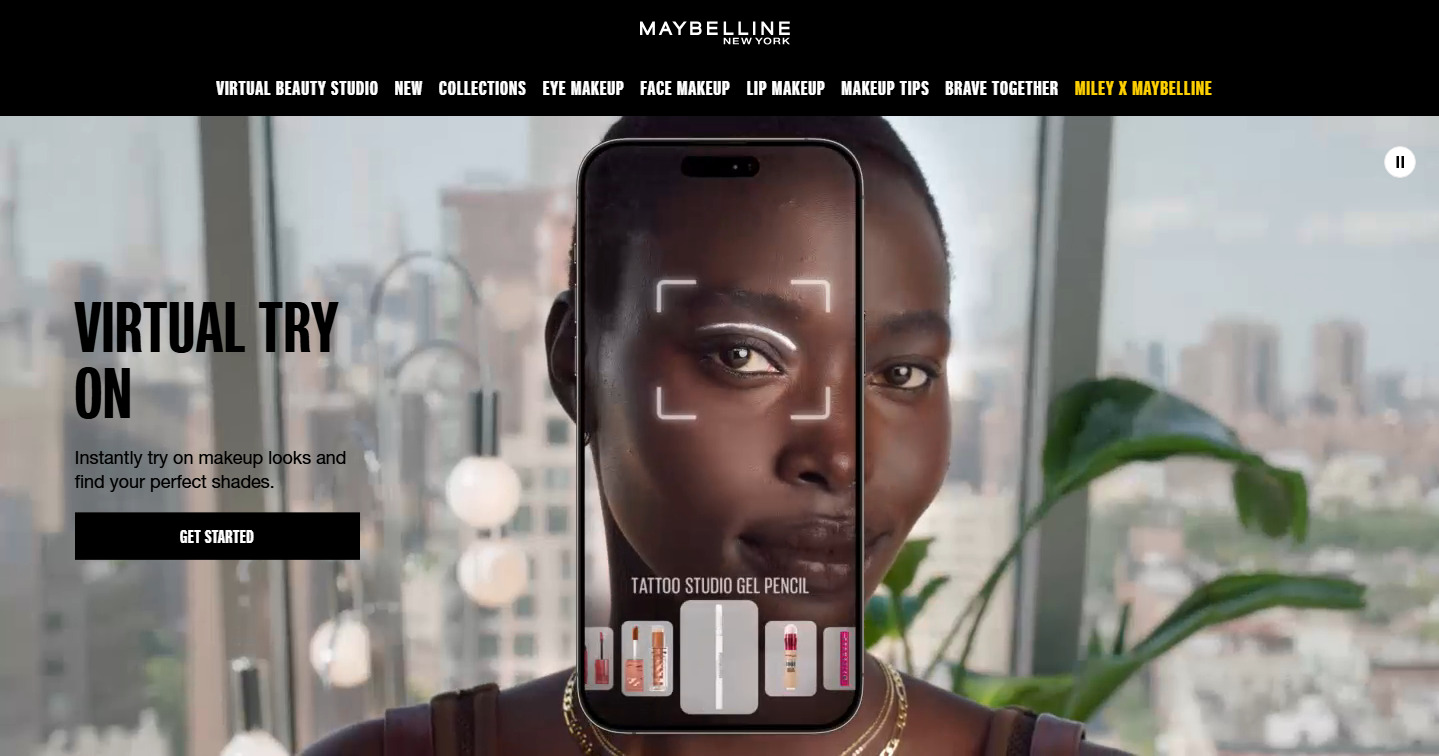
Source: Maybelline
#2 Shoppable video ads
Shoppable video ads serve as a bridge between brand storytelling and e-commerce, transforming passive viewing into an immersive shopping process.
Interactive shoppable videos feature clickable hotspots, tags, or embedded CTAs that allow viewers to explore products directly within the video. Users can view the details, learn more about featured items, and even add products to their cart without leaving the content. By reducing friction between discovery and purchase, this format effectively shortens the sales funnel, turning a moment of inspiration into an immediate buying opportunity.
📹A BrightLine and MediaScience study showed that highly engaging interactive TV ads achieved 33% higher brand recall and increased purchase intent compared to less interactive formats.
This example showcases a shoppable interactive video ad with a built-in add-to-cart overlay. Instead of simply watching the ad, viewers can use their TV remote to add the featured product directly to their Amazon cart, creating a seamless path from discovery to purchase.
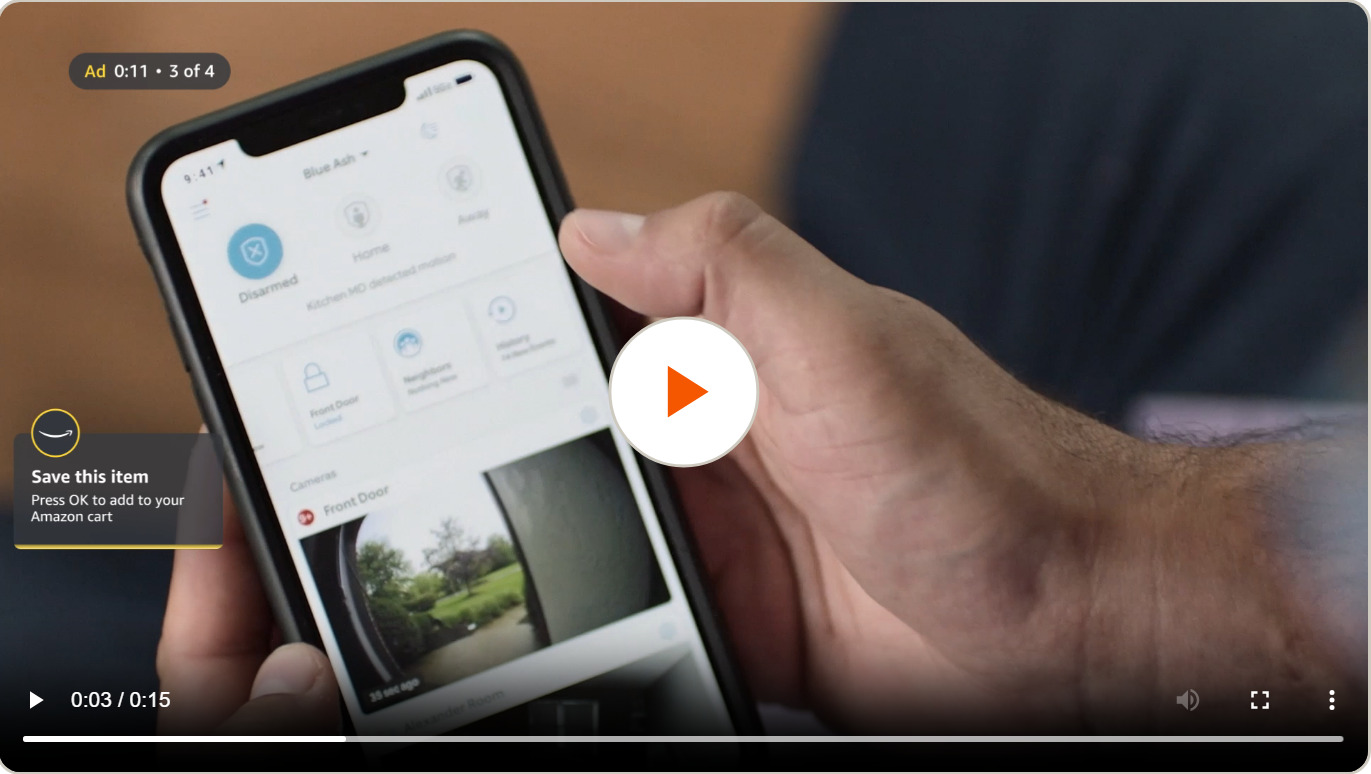
Source: Amazon
#3 Augmented Reality (AR) ads
Augmented Reality (AR) ads blur the line between the digital and physical worlds, creating highly immersive interaction with the brand. Using a smartphone camera, these interactive ads move digital elements, such as 3D models, animations, or product information, to a user's real-world environment.
This allows consumers to visualize products in their own space, virtually try on items, or interact with branded content in a more user-driven and personalized way. Rather than simply viewing a product on a screen, users can test how it fits into their everyday lives before making a purchase decision.
Check out this example from IKEA. The brand created an app that lets users visualize interior design ideas and view products in 3D. By simply scanning a room with their smartphone, shoppers can place virtual furniture in the space and see how different items look together before buying.
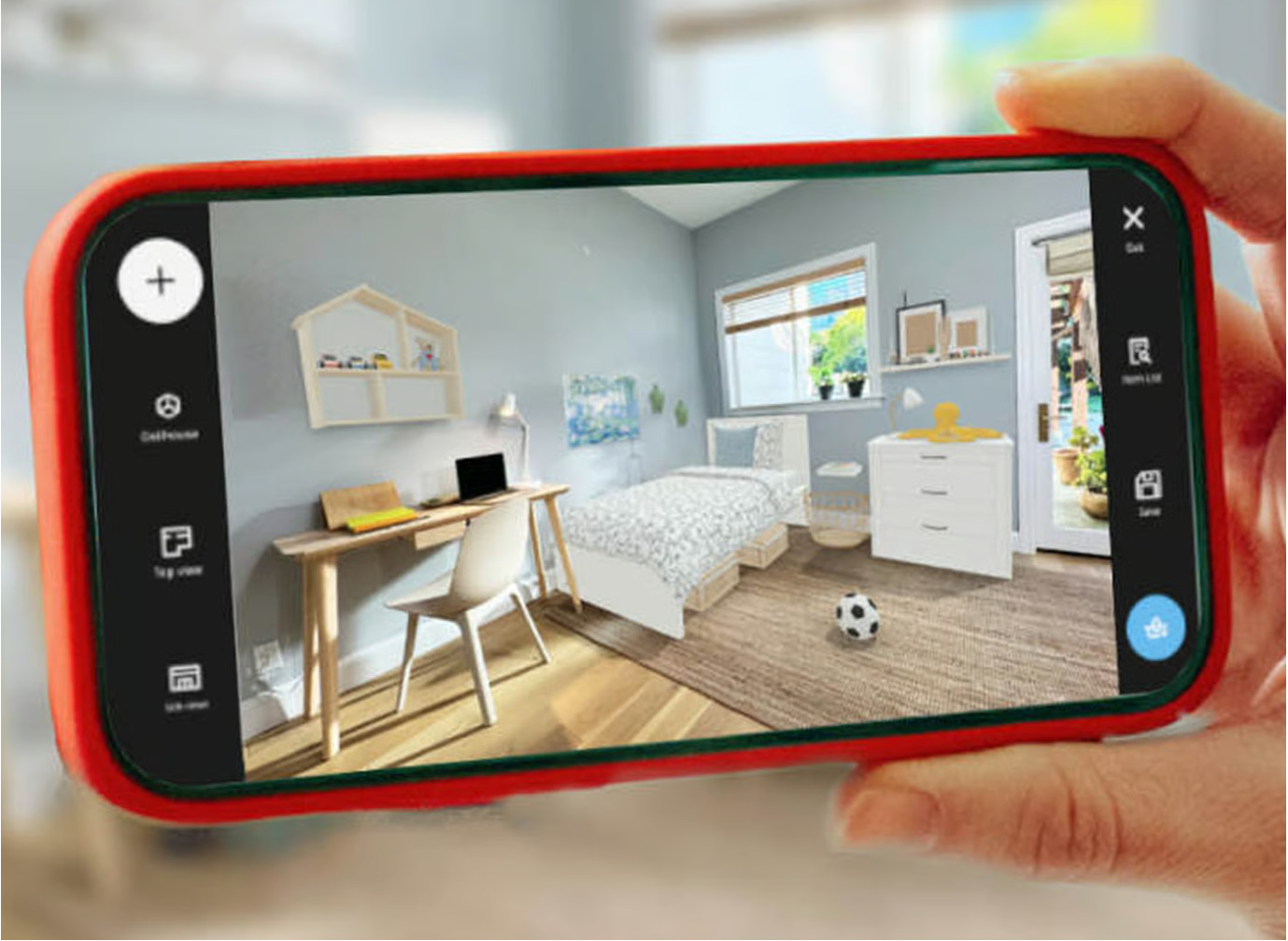
Source: IKEA
#4 Playable in-app ad
Playable in-app ads have become one of the most effective forms of immersive ads, particularly in the mobile gaming industry. Instead of simply watching a promotional video, users can interact with a simplified version of a game or app directly within the ad, creating a true "try before you download" experience.
By allowing potential users to test core gameplay or key app features firsthand, playable ads generate higher interest and help users make more informed download decisions. This hands-on approach not only captures attention but also attracts more qualified users who are genuinely interested in the product.
A popular example is Royal Match, which uses playable ads that let users solve a short puzzle before installing the game. The ad creates a more memorable customer journey and helps attract users who are genuinely interested in the game.

Source: Royal Match
#5 Interactive digital publications
While interactive digital publications aren’t a traditional form of advertising, they offer a creative way to present marketing materials in a more engaging digital format. Instead of sharing static PDFs, you can transform them into interactive flipbooks that capture attention, strengthen brand awareness, and support sales growth.
With FlippingBook, you can convert product catalogs, brochures, project proposals, portfolios, magazines, and other PDF documents into interactive online flipbooks that are easy to share and explore.
💡 Interactive content generates twice as much conversion as passive content, and 66% of marketers report a rise in engagement rates.
To capture audience attention, you can enrich your materials with interactive elements such as videos, GIFs, product links, lead capture forms, quizzes, polls, and CTA buttons.
By turning static PDFs into interactive digital publications, you transform passive reading into active communication and encourage users to explore your content and take the next step. Here’s how FlippingBook enhances the presentation of your materials:
🎨Maintain brand consistency. Add your logo, brand colors, website links, and custom call-to-action buttons to create a cohesive brand story and drive more conversions.
🚀Track reader engagement. Share your publications with trackable links and monitor how recipients interact with your content, including when they open it, how many pages they view, and how much time they spend reading.
📈Access detailed analytics. Measure content performance with insights into page views, reading time, traffic sources, audience locations, and other metrics.
🎯Generate leads directly from your content. Embed lead capture forms into any page to collect contact information and identify interested prospects.
✨Create richer interactive experiences. Add videos, GIFs, image galleries, product tags, external links, forms, and other multimedia content to make your publications more eye-catching and actionable.
Here's an example of an interactive product catalog. Flip through the pages to explore products enhanced with clickable images and GIFs. These interactive elements create a more engaging experience, making the catalog feel much closer to browsing a physical publication while providing the convenience of digital content.
Case Study: How a Wholesale Grocery Company Turned Print Ads into Interactive Flipbooks
A great example of interactive advertising comes from a wholesale grocery company that transformed its traditional print ads into engaging digital flipbooks. The company supplies products, as well as print and digital services, to more than 600 independent retail grocery stores.
Initially, the company created printed ads for its customers, either sending the designs to a publishing partner for newspaper printing or producing them in-house. As more customers shifted online, however, the team recognized the need to expand beyond print and offer a more engaging digital advertising experience.
We looked at how easy it would be for an ad to be incorporated into an existing HTML website as well as the websites we were developing with WordPress.
When searching for the right solution, the company wanted a platform that was easy to implement, well supported, and capable of delivering an engaging digital experience. After discovering FlippingBook Online, the team was impressed by how simple it was to upload publications, turn them into interactive flipbooks, and embed them directly on customers’ websites.
Best Practices for Creating Effective Interactive Ads
Like any advertising or marketing campaign, interactive ads require careful planning to deliver the desired results. Here are a few best practices to help you create dynamic ads that resonate with your audience and drive conversions.
Choose the right platform
While most interactive ad formats can be adapted to different channels, some perform better in specific environments. For example, playable ads tend to be highly effective in mobile gaming apps, while AR filters are a natural fit for social media platforms. The closer the alignment between the ad format, platform, and audience behavior, the better the results.
Keep interactions simple and intuitive
Interactive ads should be easy to understand and effortless to engage with. Avoid creating advertisements that require lengthy instructions or multiple steps to complete. Whether it's a tap, swipe, click, or short quiz, users should immediately know how to interact with the content.
Provide clear value
Every interaction should offer something meaningful to the user. Depending on your goal, that value may come in the form of entertainment, personalization, useful information, or a seamless shopping journey. Before launching an interactive ad, ask yourself: What's in it for the audience? If users can see the benefit immediately, they're much more likely to be interested.
Test, measure, and optimize
Before publishing your campaign, test different variations to ensure everything works smoothly across devices and platforms. Once the ad is live, monitor engagement metrics and user behavior to understand what's working and what isn't. These insights can help you refine your campaign, improve the customer experience, and maximize results over time.
Final Thoughts
Interactive advertising is reshaping the way brands connect with consumers. By turning passive watchers into active participants, interactive ads create more engaging experiences, strengthen brand relationships, and help drive conversions.
Whether you're using videos, quizzes, AR, or interactive digital publications, the key is to provide value and make engagement effortless. When done right, interactive ads don't just capture attention—they inspire action.



.png)
