When people support your nonprofit, they want to know what their contributions make possible. Your organization might have helped hundreds of families, funded new research, or brought essential services to a community. How do you show what those achievements really mean?
A nonprofit annual or impact report brings all these pieces together. It lets you share your achievements, highlight key metrics, recognize the volunteers who make your work possible, and show how your programs support the people and communities you serve.
But how do you make your report engaging to read and easy to navigate? In our blog post, we share how to create a nonprofit annual or impact report that tells your story, celebrates the people behind your work, and inspires others to support your cause.
What Is a Nonprofit Annual Report?
A nonprofit annual report summarizes an organization's activities, achievements, and finances over the past year. It highlights accomplishments and key activities, builds trust, and shows appreciation to donors and volunteers for their support.
What Is a Nonprofit Impact Report?
A nonprofit impact report focuses on the outcomes of an organization’s work: what changed for the people or communities it serves, and what evidence demonstrates that change. While an annual report provides a broader overview of an organization’s activities, finances, and achievements throughout the year, an impact report puts measurable results and the stories behind them at the center.
Do nonprofits need both? Not necessarily. An annual report can include impact metrics and stories, while a separate impact report can provide a deeper look at specific outcomes. The right approach depends on the organization’s goals, audience, and reporting needs.
🌟Nonprofit annual and impact reports can take different forms, from printed publications and PDFs to websites and interactive flipbooks. The right format depends on your audience and how you want readers to explore the content. If you’re making digital documents, check out an interactive report example created with FlippingBook, an online report creator.
The Christie NHS Trust Annual Review
Create your report
What to Include in Your Nonprofit Annual or Impact Report
Effective nonprofit storytelling combines facts, figures, and stories about the people behind your work. A strong report shows what your organization does, what it achieves, and why it matters. Here are the essential elements to include in your report.
🎯 1. Start with your mission statement
Your mission statement introduces your organization to new readers and reminds existing supporters why your work matters. Place it near the beginning of your report, alongside a short description of whom you serve and what you aim to achieve.
🔎Example. The Legal Aid Society pairs its mission statement with an optimistic headline and photos of its staff and attorneys. This makes the organization's mission feel more personal and engaging.

✉️ 2. Add a letter from your executive director or board chair
A message from your organization's leader sets the tone for the report. Use it to highlight the year's biggest achievements, acknowledge challenges, and share your vision for the future.
Just don’t make it too official and boring—instead, make the text friendly and concise, so that the reader can get the idea just by skimming the text and seeing the visuals.
💡 Pro tip: Try something different: feature your executive director or CEO in a short video. Like in this flipbook, for example.
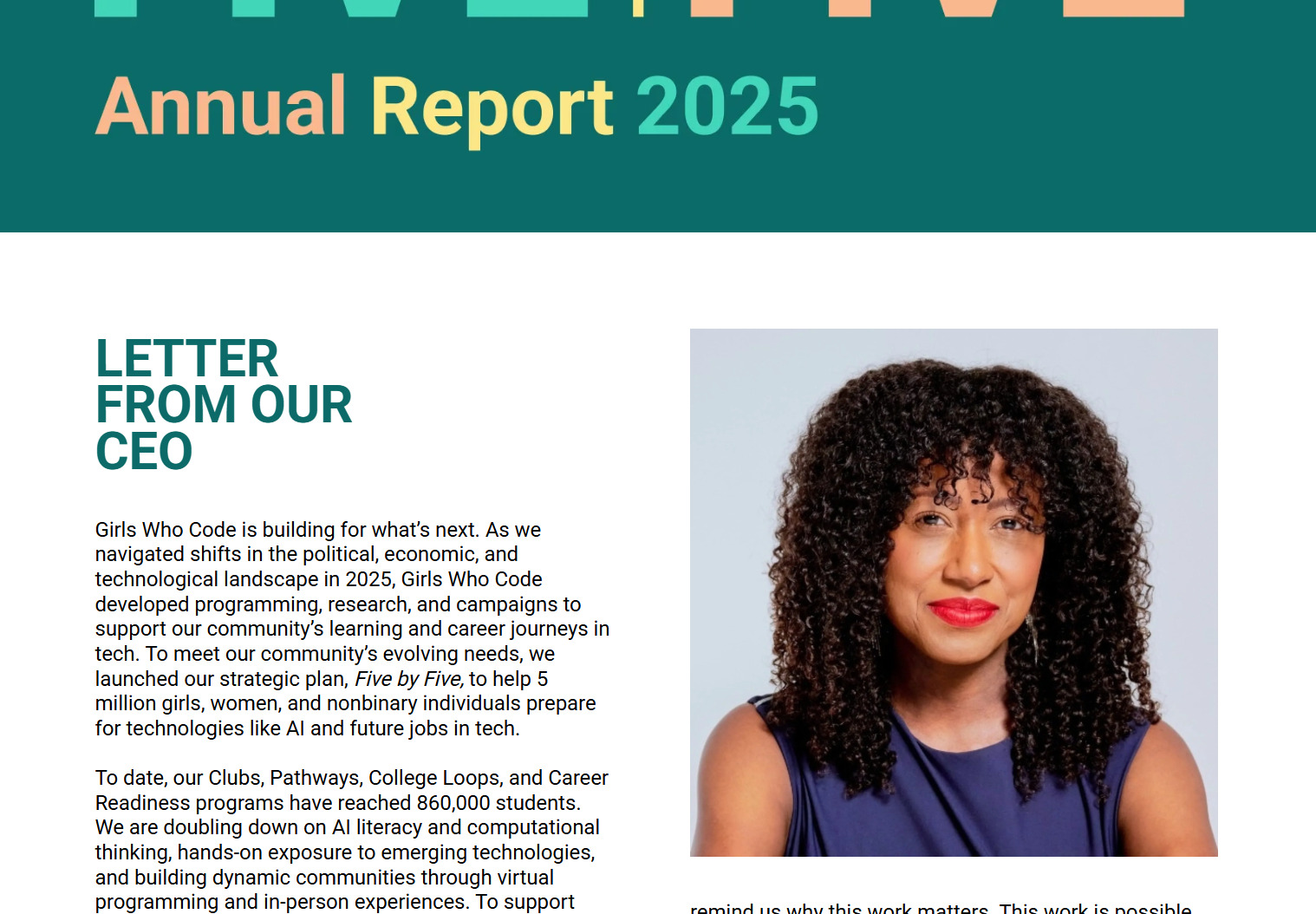
🔎Example. In its annual report, Girls Who Code features a message from CEO Tarika Barrett. Her warm, personal tone reflects the organization's commitment to its students and mission.
🌟 3. Highlight your projects and achievements
Show readers what your organization accomplished during the reporting period. Highlight key programs, fundraising campaigns, milestones, and progress toward your goals.
Be transparent and mention what still needs to be done to reach your nonprofit’s goals in the coming year—it will help build trust with your audience.
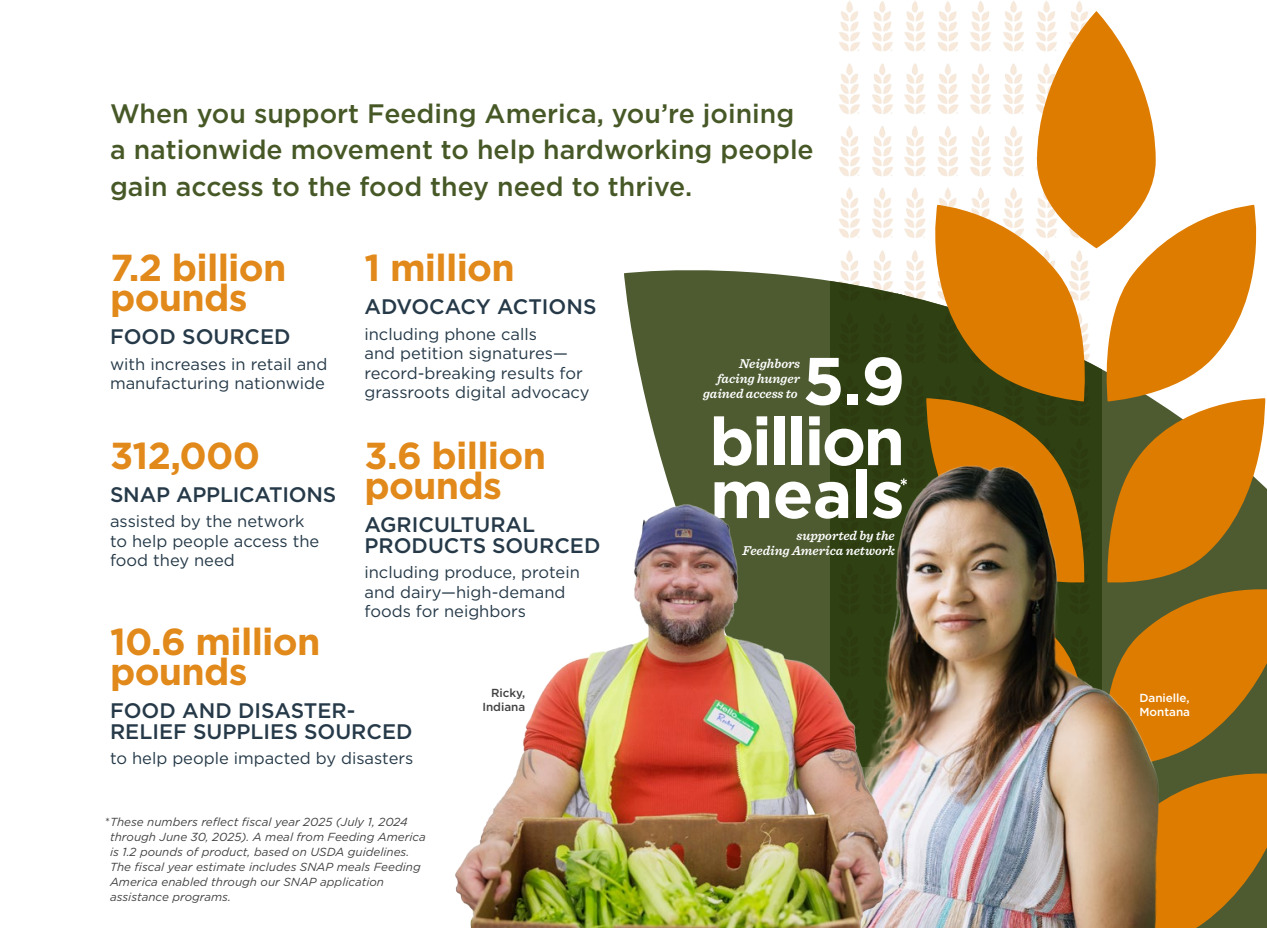
🔎Example. Feeding America puts a major achievement near the beginning of its report, helping readers quickly understand the organization's most important work and results.
📊 4. Show your impact with measurable results
Nonprofit impact measurement helps you show what changed because of your organization's work. Use clear metrics and evidence wherever possible. Depending on your mission, you might include:
- People or communities reached.
- Services delivered or needs met.
- Progress toward specific program goals.
- Changes in outcomes over time.
- Long-term results your organization is working toward.
Explain what each number means and how it connects to your mission. For an impact report, make these outcomes the centerpiece of the story.
💰 5. Be transparent about your finances
Financial transparency helps donors understand how their contributions support your mission. For an annual report, include relevant revenue and expense figures, funding sources, and a clear breakdown of how money was spent. If your nonprofit works with corporate sponsors, acknowledge their contributions and explain how their support helps fund your programs.
Use simple charts and clear labels to make financial information easier to understand. Add context to significant expenses or funding shortfalls rather than presenting numbers without explanation.
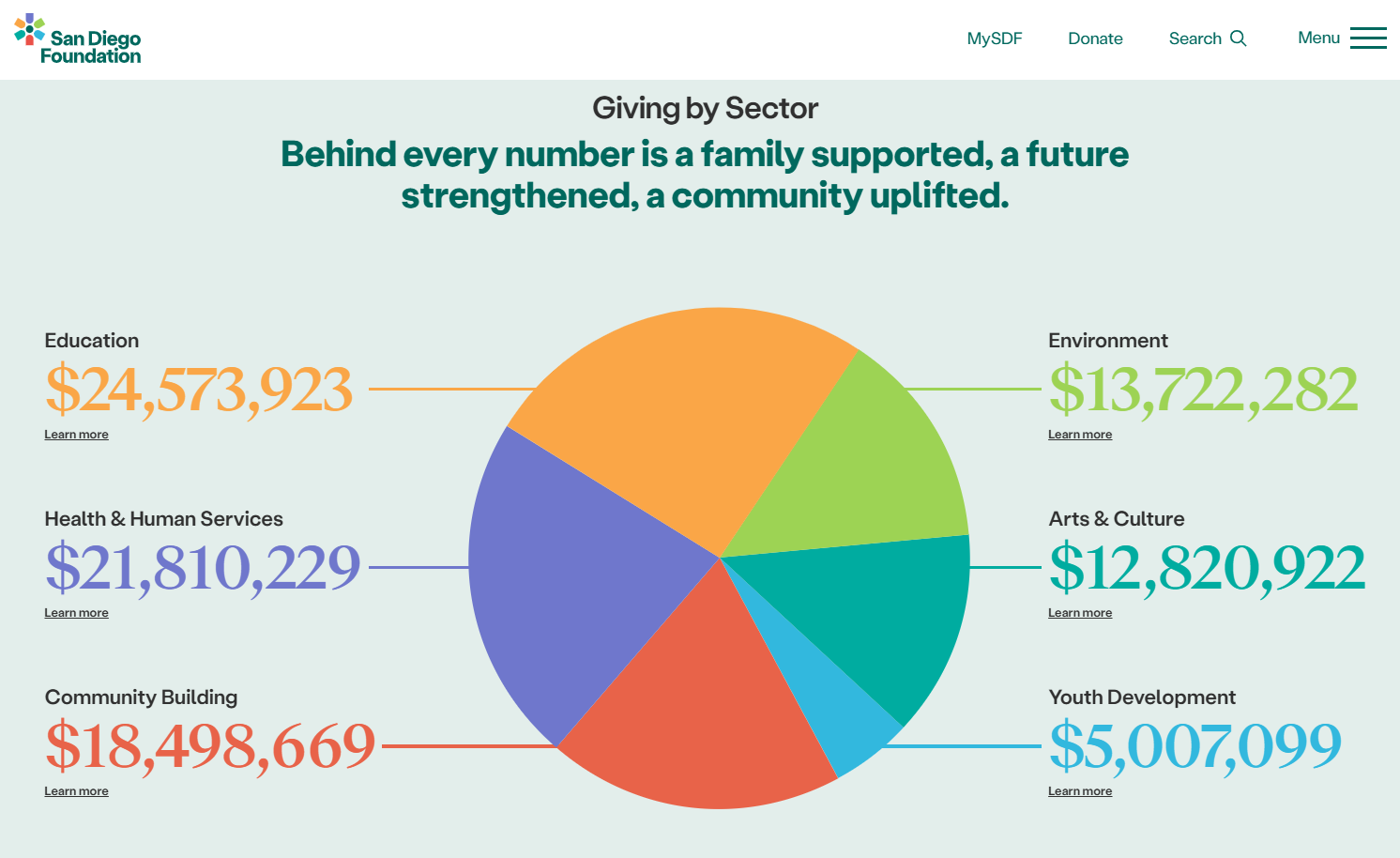
🔎 Example. The San Diego Foundation organizes its financial information into clear categories, making the figures easier for readers to follow.
❤️ 6. Tell stories that bring your impact to life
Numbers show the scale of your work. Impact storytelling helps readers connect the results you report with the people and communities affected by your work.
Include beneficiary experiences, quotes, photographs, or short case studies that illustrate the difference your programs make. Always get appropriate consent and respect the privacy and dignity of the people whose stories or images you share.
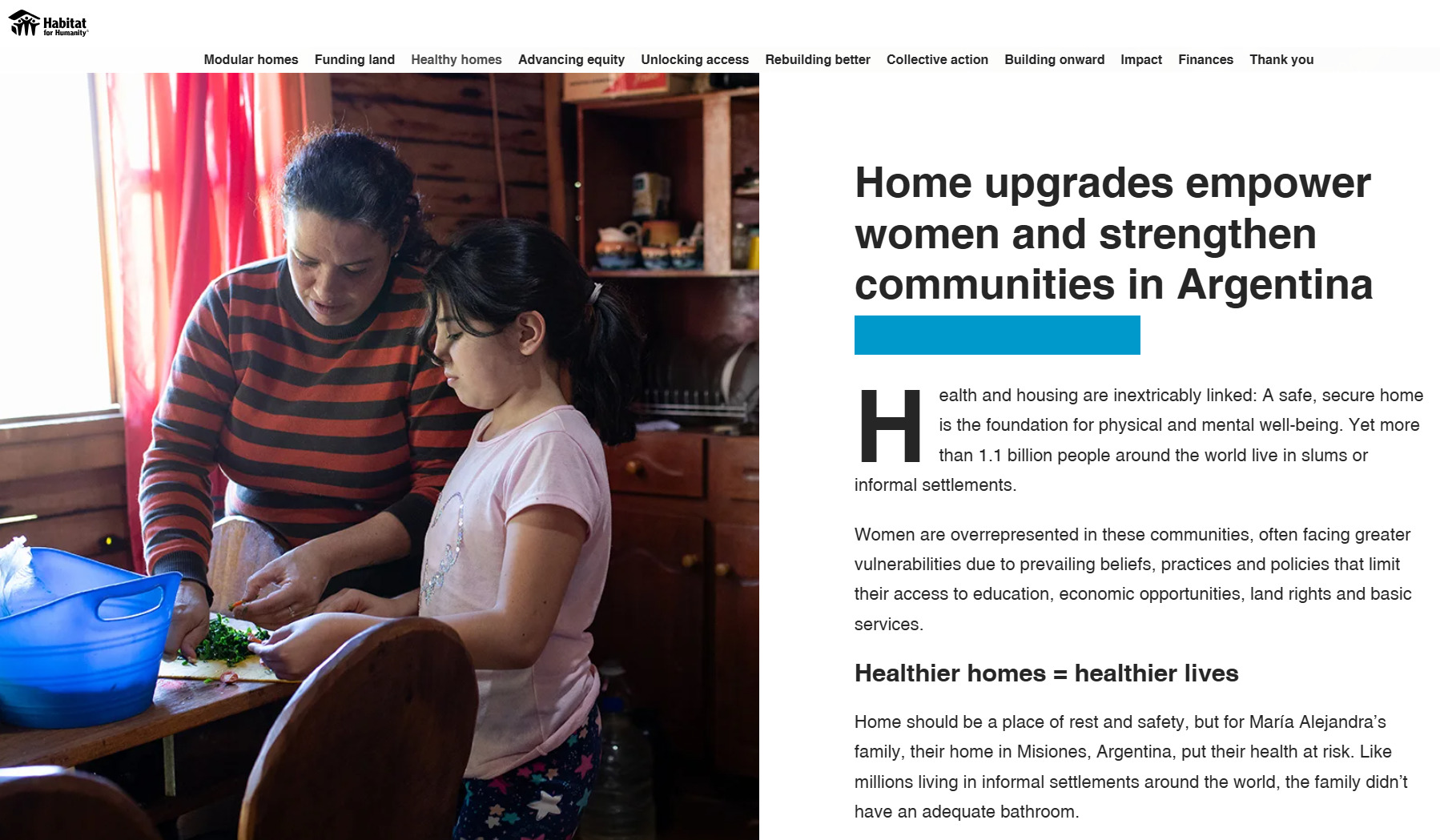
🔎Example. Habitat for Humanity brings its impact to life through personal stories in its 2025 annual report. It shares María Alejandra’s story of improving her family’s home in Argentina, showing how access to training and the right tools helped her install a bathroom and improve her family’s quality of life.
Why Interactive Reports Work Better: Best Practices for Creating Interactive Nonprofit Reports
An interactive report gives readers more ways to engage with your content. If you're creating a digital impact report, FlippingBook turns your PDF into an online document enhanced with videos, GIFs, images, and clickable links. This format works for a wide range of audiences as it’s eye-catching, easy to read, and can contain lots of valuable data.
💚 FlippingBook for Nonprofits
Check out how you can inspire donors, engage communities, and share your impact with interactive flipbooks.
Here’s how to make your digital annual or impact report more engaging and useful.
🎥 Bring your stories to life with video. Present information in a less conventional, more entertaining way. Embed YouTube, Vimeo, or Wistia videos right into your interactive annual or impact report to give readers a more engaging way to explore your content. You can also use videos to explain key achievements, showcase your programs, or share a personal message with donors.
📊 Make your data easier to explore. Add links to research, supporting resources, and related content to give readers more context behind your results. A clickable table of contents and internal links also help them find the information they need quickly.
🎨Keep your report on brand. Customize your flipbook with your logo, colors, and other branding elements to raise awareness of your work and maintain a consistent look across your channels.
📱Make reading easy on any device. Share a report that readers can open in their browser on a desktop, tablet, or smartphone, without having to download a PDF. Unlike a traditional PDF, a mobile-ready PDF alternative lets readers explore your content online anytime, anywhere.
🔗 Share your report via a direct link, send it by email, post it on social media, or embed it into your website. This way, your digital annual report will reach a wider audience. You can also update the report without changing its existing link, so readers can keep returning to the latest version.
📈 Track how readers engage with your report. Use analytics to see how many people open your report, which pages they spend time on, and which links they click. These insights can help you understand what interests your supporters and improve future reports and donor communications.
🔒Protect reports when needed. Not every report is intended for public access. For internal reports or sensitive information, use password protection or restrict access to specific readers via email or SSO. You can also limit printing and downloading to help control how your content is shared.
🔎 Example: How Children’s Media Association Uses Interactive Reports
One of our nonprofit clients, Children’s Media Association, uses FlippingBook to spread important knowledge and insights across members and the general public in an engaging, easily shareable format. They embed the interactive reports on their website so that everyone can read them right away.
CMA is a place for people to connect and learn about kids' media from a thoughtful perspective. That's why FlippingBook has been so useful—it’s a platform that makes information digestible, accessible, and interactive.
Nonprofit Annual and Impact Report Examples
Nonprofit annual and impact reports come in many forms. Some focus on key achievements and financial transparency, while others bring an organization's work to life through personal stories and impact data. Here are four examples to inspire your next report and show you different ways to communicate your mission and results.
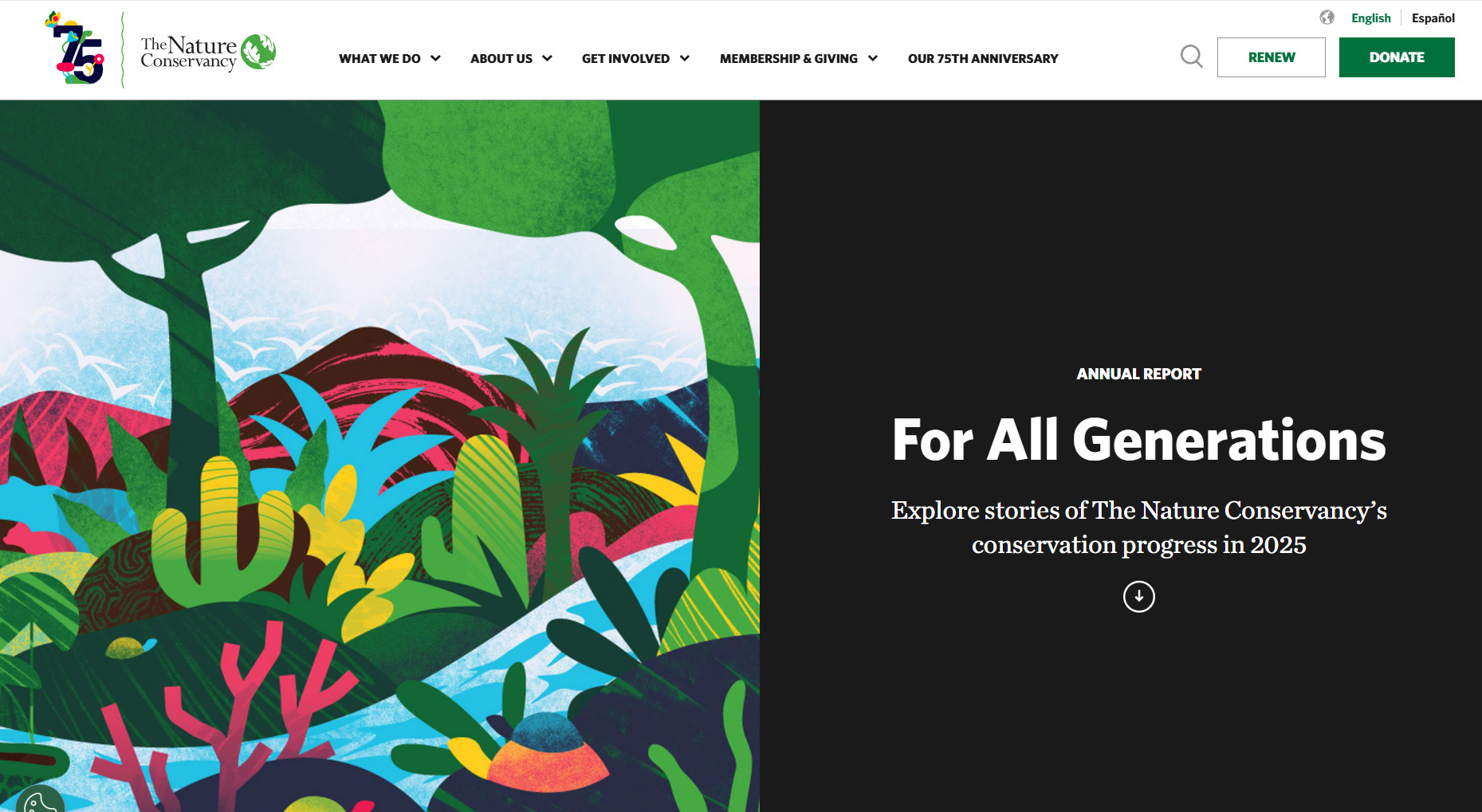
#1 The Nature Conservancy
The Nature Conservancy combines striking nature photography with stories, conservation milestones, and a financial overview. Its 2025 annual report makes it easy to explore the organization's work and the results it has achieved.
#2 United Way
United Way’s Greater Toronto annual report combines community stories, personal quotes, videos, and impact metrics. Its topic-based sections help readers explore the organization's work across housing, community support, civic engagement, and more.

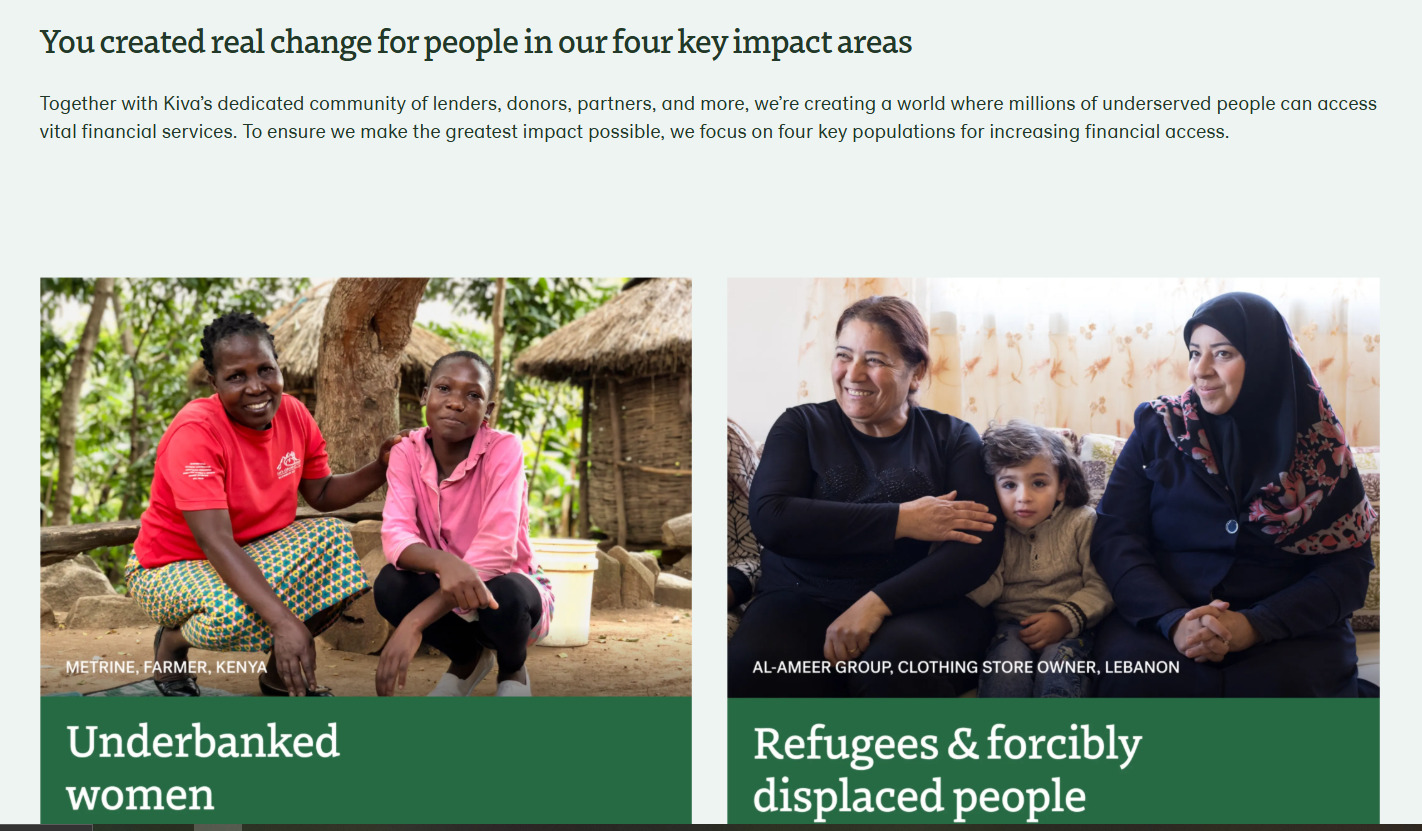
#3 Kiva
Kiva’s 2025 report brings together borrower stories, impact metrics, and outcome data to show who its programs reach and how access to financial services can change lives.
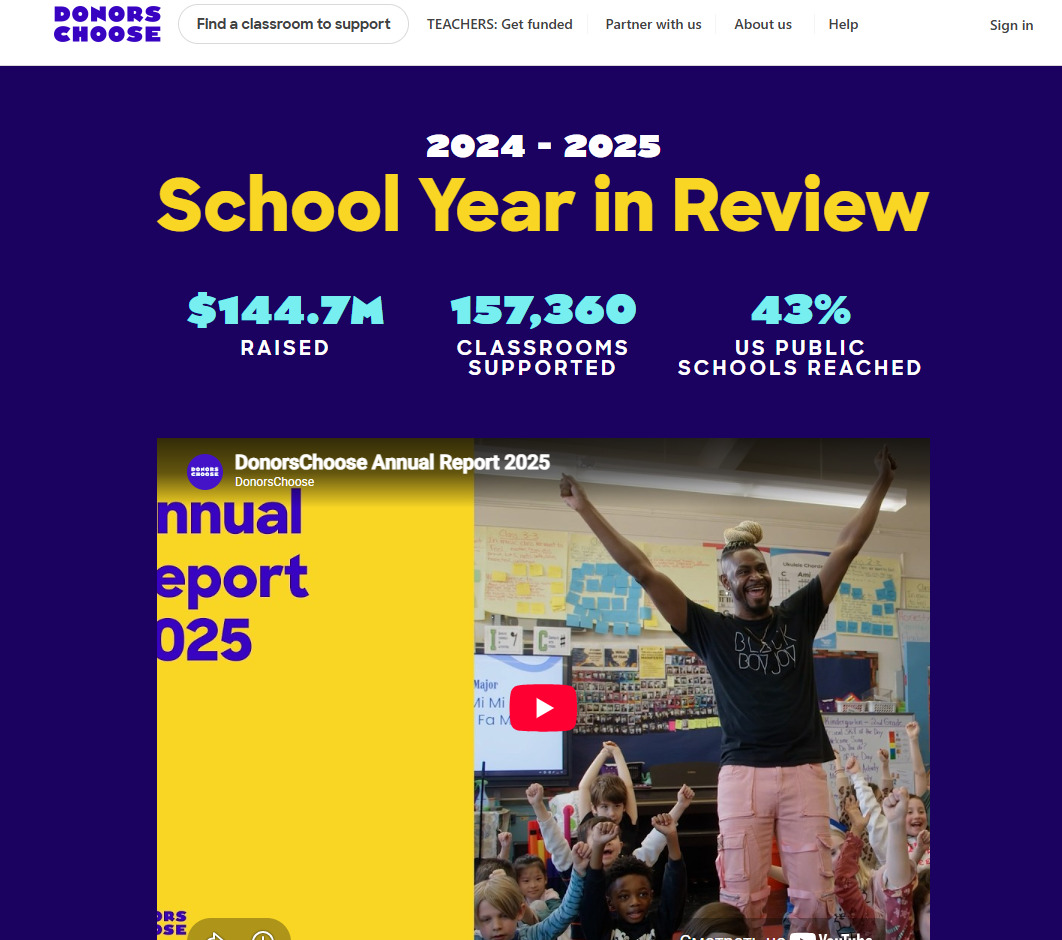
#4 DonorsChoose.org
DonorsChoose.org pairs key figures, such as funds raised and classrooms supported, with videos and stories featuring teachers, donors, and partners. Its 2024–2025 School Year in Review makes the connection between contributions and classroom impact easy to see.
Other Types of Nonprofit Reports
Annual and impact reports provide a broad overview of your organization's work or the changes it creates. Other nonprofit reporting formats help you communicate specific information to different audiences.
- Donor updates: Share recent achievements, stories, and progress made possible by supporters' contributions. These shorter updates keep donors informed between annual reports and support a broader donor communication strategy.
- Transparency reports: Explain how your organization manages and spends its funds. Clear financial information and accountability practices help build trust with donors and other stakeholders.
- Grant reports: Show funders how a project is progressing toward its goals. Include relevant activities, outcomes, impact metrics, and financial information to demonstrate how grant funding is being used.
- Hospital annual reports: Highlight patient care, community health programs, medical research, financial performance, and patient outcomes. Combine clear metrics with patient and community stories to show how the hospital makes a difference.
How to Create a Nonprofit Annual or Impact Report
Ready to put your report together? Start with a clear goal, gather the information you need, and build a story around your organization's work and results. These five steps will help you get from the first outline to a report you're ready to share.
🎯 1. Decide what your report should achieve
Before you start collecting information, think about who will read your report and what you want them to take away from it.
Are you looking back on the past year, showing donors how their contributions made a difference, or reporting on the results of a specific program? Your answers will help you decide what to include and what to leave out.
Remember, an annual report gives readers a broader picture of your organization's work, while an impact report puts the outcomes and changes you've achieved front and center.
📊 2. Choose the right metrics
Choose metrics that connect directly to your organization's goals. Make sure your data is reliable and that you can explain what each figure means. Where relevant, compare results with previous years or the targets you set to help readers understand your progress.
💬 3. Gather your data and stories
Bring together your financial figures, program updates, photos, quotes, and other materials you'll need. Check that your data is accurate, confirm names and details, and get permission to publish any quotes or images. Keep everything organized so it's easy to find when you start designing the report.
🎨 4. Put your report together
Good nonprofit annual report design starts with a clear outline and a structure readers can follow. Put your most important achievements near the beginning, keep paragraphs short, and use photos, charts, and other visuals to make information easier to follow.
💡 Pro tip: If you want to create an annual report but don't have a PDF yet, we've got you covered. Check out these free report Canva templates that you can design and then get back to FlippingBook to create online reports right away. What's more, FlippingBook has a convenient integration with Canva that allows you to seamlessly proceed from designing a PDF in Canva to publishing your PDF to FlippingBook, where you can customize and make it interactive.
|
|
|


🔗 5. Publish and share your report
Make your report easy to find on your website and include it in your donor communication plan. You can also share individual findings, achievements, or quotes in newsletters and social media posts throughout the year, keeping supporters informed long after the report is published.
Check out how a flipbook created from a Canva template can look and feel!
FAQ: Nonprofit Annual and Impact Reports
1. Do nonprofits have to publish an annual report?
Not necessarily. Most US tax-exempt organizations must file an annual return or notice with the IRS, but there are exceptions. This doesn't automatically mean they need to publish a separate annual report. State rules, grant agreements, and funder requirements may also apply, so check what's required for your organization.
2. Is an impact report the same as an annual report?
Not quite! An annual report gives readers a broader overview of your organization's work, achievements, and finances over the year. An impact report focuses on the difference your work makes and the results you've achieved. You can publish them separately or combine both in one report.
3. What should we include in our nonprofit report?
Start with the information that best shows your organization's work and results. This might include key achievements, impact metrics, financial information, and stories from the people or communities you support. Choose details that help readers understand what you've accomplished and why it matters.
4. What's the best way to share our nonprofit report with donors?
Make it easy to find on your website, then share the link through your email newsletter or other donor communications. You can also send it directly via link to key supporters and partners. Revisit the report throughout the year by highlighting achievements or findings that matter to your audience.
Your Impact Deserves to Be Seen
Your annual or impact report gives readers a clear picture of your organization's work and the progress you've made. Keep it engaging, easy to explore, and focused on the results that matter to your mission.
Once it's published, keep putting it to use. Share key findings in your newsletter, highlight achievements on social media, and send the report directly to donors and partners. It's a great way to keep supporters informed and show them what your organization is working toward next.